Exterior painting
Painting fiber cement, wood and hardboard siding in Atlanta
Fiber cement chalks, cedar bleeds and hardboard swells, so we prep by what the boards are made of instead of running one routine on every house.
Phones answered 24 hours a day, 7 days a week
- Phones answered 24/7
- Scheduled from Tucker
- Exterior painting
Updated October 2026
Short answer
Siding painting on Atlanta homes depends on what the siding is made of. Fiber cement needs clean, dry boards and sealed gaps; cedar needs bare spots primed with a stain blocker; hardboard needs every bottom edge and cut end sealed against water. We wash, repair, caulk and prime by material, then apply two coats of exterior acrylic.
Why the siding material sets the prep
Paint on siding fails where water gets behind it: the bottom drip edge of each lap board, the butt joints where boards meet end to end, and the boards nearest the ground and under windows. A good repaint seals those spots on purpose rather than just coating the face of each board.
Fiber cement stays stable but its coating chalks; wood swells, checks and bleeds tannins; hardboard soaks up water at any exposed edge until the board fails. We plan primer, caulk and repairs around which one is on your house.
What drives the price
What moves the price of a siding repaint
Siding area sets the base. Repairs and the material itself move it from there.
Published range: $3.10 to $5.80 per square foot for wood or fiber cement siding. Source: Fixr, national data, January 2025. A planning figure, not our quote.
Siding material
Rough-sawn cedar soaks up more paint than smooth fiber cement.
Board replacement
Swollen hardboard and rotted wood come out before paint.
Caulk and primer
Many open joints and bare spots add prep hours.
Stories and slope
Two-story walls and steep yards mean more ladder work.
Color change
A big shift from dark to light can need an extra coat.
Fiber cement and Hardie board
Fiber cement is a stable board that holds paint well. When it needs a repaint, the first signs are chalk that rubs off on your fingers and faded color on walls that take afternoon sun. We wash off chalk and mildew, let the boards dry, and seal open gaps at trim, windows and corners with a paintable exterior sealant. Cracked boards are replaced before primer. Bare cut edges and new boards are primed, and the walls get two coats of all-acrylic exterior paint, which bonds well to cement and flexes with temperature swings.
Cedar and wood lap siding
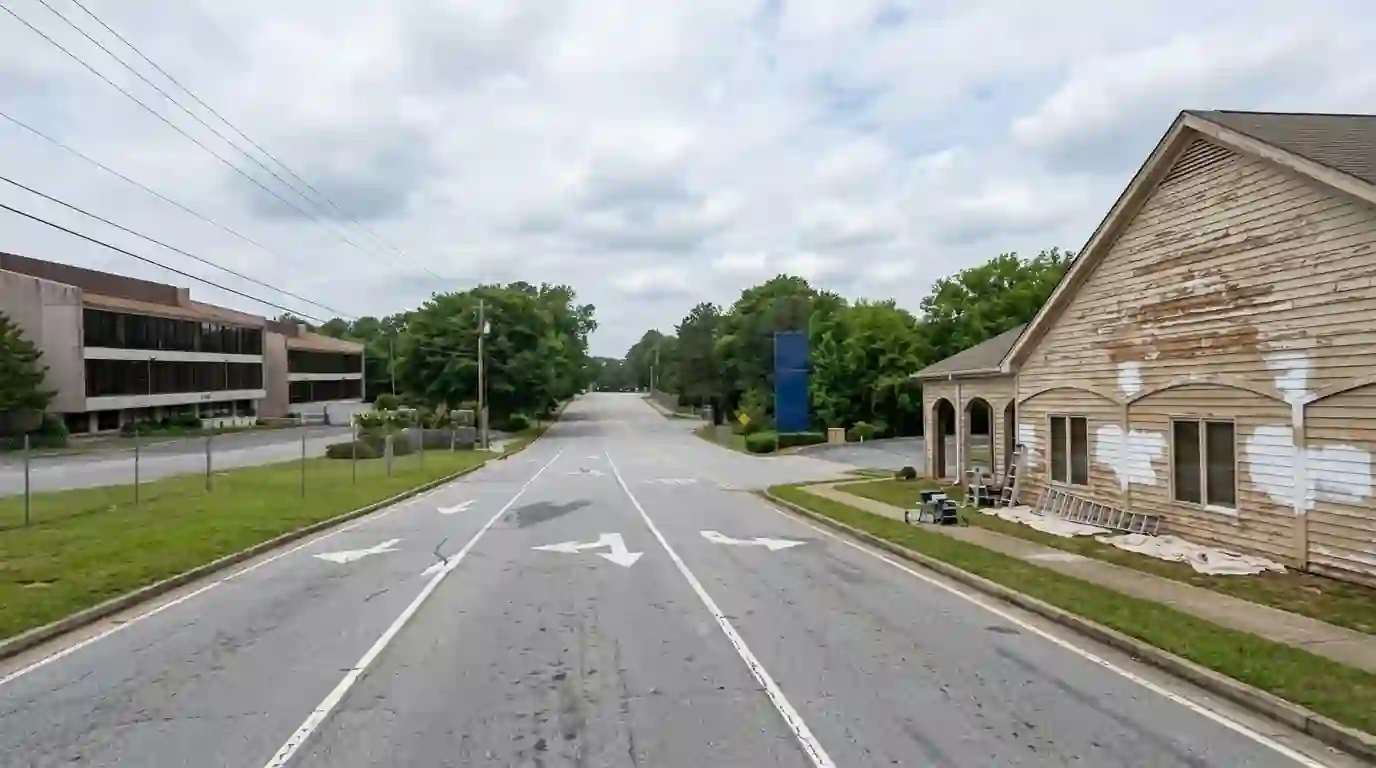
Wood siding moves with every change in humidity, so its paint has to stay flexible and the wood has to be well sealed. Cedar and redwood also carry tannins that bleed through light paint as brown streaks unless bare wood gets a stain-blocking primer. We scrape and sand failed paint to a sound edge, patch or replace soft boards, set popped nails and prime every bare spot. Where peeling keeps returning to one place, we look for the moisture behind it: a missing kickout flashing, a leaky gutter or a bath fan venting into the wall.
Hardboard siding
Hardboard is wood fiber pressed with resin into lap boards, often with an embossed grain. While its coating stays intact it performs fine. Once water gets in, usually at the bottom edge or around nail heads, the board swells, softens and crumbles, and no paint will save that section. We probe each wall, replace swollen boards, seal every bottom edge and cut end with primer, and caulk nail holes and joints before two finish coats. Keeping hardboard painted on a steady schedule is the cheapest way to put off replacing it.
What the job includes
What a siding repaint includes with us
Two painters can price the same house very differently because the prep differs. Unless you change it, our scope is:
- Soft washing every wall
- Scraping loose paint to firm edges
- Replacing cracked, rotted or swollen boards
- Setting popped nails and filling holes
- Caulking trim gaps, corners and window edges
- Stain-blocking primer on bare cedar and repairs
- Sealing hardboard bottom edges and cut ends
- Two coats of exterior acrylic on the siding
Around Atlanta
Pollen season, red clay and the lowest boards
Two local things show up on siding before anything else. In spring, pine pollen coats every ledge in yellow; on March 29, 2025, Atlanta Allergy and Asthma counted 14,801, the highest reading in 35 years of counting. Then there is the ground. The Piedmont's red clay, colored by iron oxides, splashes onto the bottom courses of siding in every storm. We wash both off before painting, and we point out any boards sitting in soil or mulch, since those bottom edges never get a chance to dry.
How the job runs
Our order of work on a siding job
Probe and plan
We check every wall for soft boards, open joints and peeling patterns.
Wash and dry
Chalk, mildew and pollen come off, and the siding dries before prep.
Repair and caulk
Boards are replaced, nails set and gaps sealed.
Prime
Bare wood, cut ends and new boards get a primer suited to the material.
Two finish coats
Siding gets its coats wall by wall, then we walk it with you.
What you will notice
Siding symptoms that say it is time to repaint
Chalk on your hand
A powder that rubs off means the paint film is breaking down.
Peeling at board edges
Paint lifting along the bottom of lap boards means water is getting behind it.
Open butt joints
Gaps where boards meet end to end let rain run behind the siding.
Swollen board bottoms
A puffy lower edge on hardboard means it has taken on water.
Green or black film
Mildew on shaded walls holds moisture against the paint.
Questions
Siding Painting questions we hear in Atlanta
Yes. It takes exterior acrylic well once clean and dry; a big color change may need an extra coat.
Painted, if the boards are firm. Swollen or crumbling boards are replaced first.
Tannins bleed through when bare wood is not primed with a stain blocker.
Yes, within the paint's limits. We stop coats early enough that evening dew does not land on wet paint.
We replace individual damaged boards as part of the prep. Residing a whole wall is a different job.
Two finish coats over primed repairs, because one coat rarely covers lap siding evenly.
Same kind of work
More exterior painting
Exterior House Painting
Siding, trim and brick for ranch and two-story homes.
Brick Painting & Limewash
Mineral paint, limewash or German smear on brick.
Vinyl & Aluminum Siding Painting
Vinyl-safe colors on faded vinyl and aluminum.
Stucco Painting
Hard coat and EIFS with crack-bridging coats.
Ready when you are
Siding looking tired?
Someone picks up day or night. Let us know what the siding is made of and where it is failing, and we will walk the house with you.