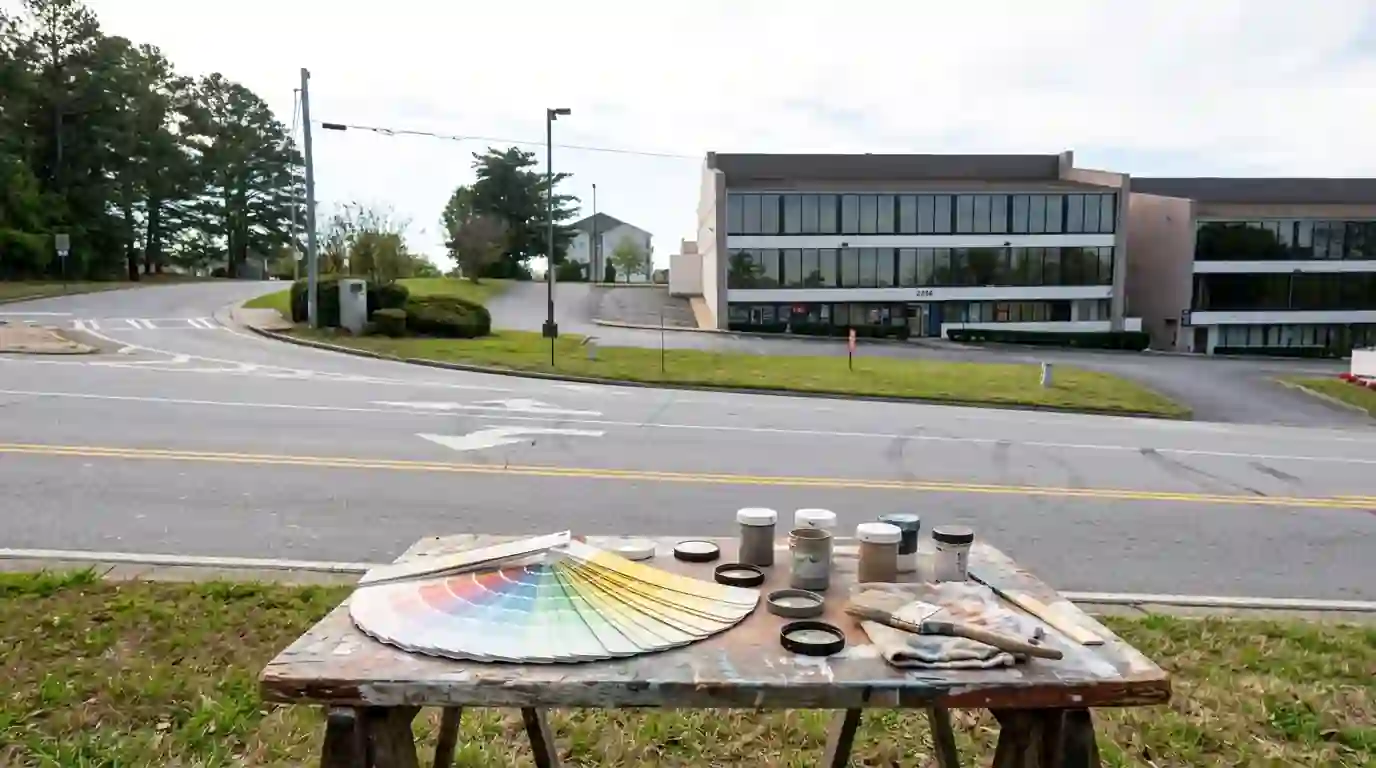
Short answer
In Atlanta-area HOAs, exterior paint colors often need written approval before work starts. In communities under the Georgia Property Owners' Association Act, O.C.G.A. 44-3-231 lets the association grant or withhold approval of any change to a lot's exterior appearance, often through an architectural control committee. Submit color codes, placement and samples together.
Find the documents that actually govern your house
An HOA's power over your paint color comes from its recorded declaration of covenants, plus any architectural guidelines the board has adopted under it. Get both before you pick colors. They are usually in your closing packet or on the management company's portal, and the declaration is recorded in the county land records.
Georgia also has the Georgia Property Owners' Association Act, but it does not reach every subdivision. Under O.C.G.A. 44-3-235 it applies to property submitted to it, or to an association that amends its declaration to adopt it. Where neither happened, the declaration itself and general Georgia covenant law control the process.
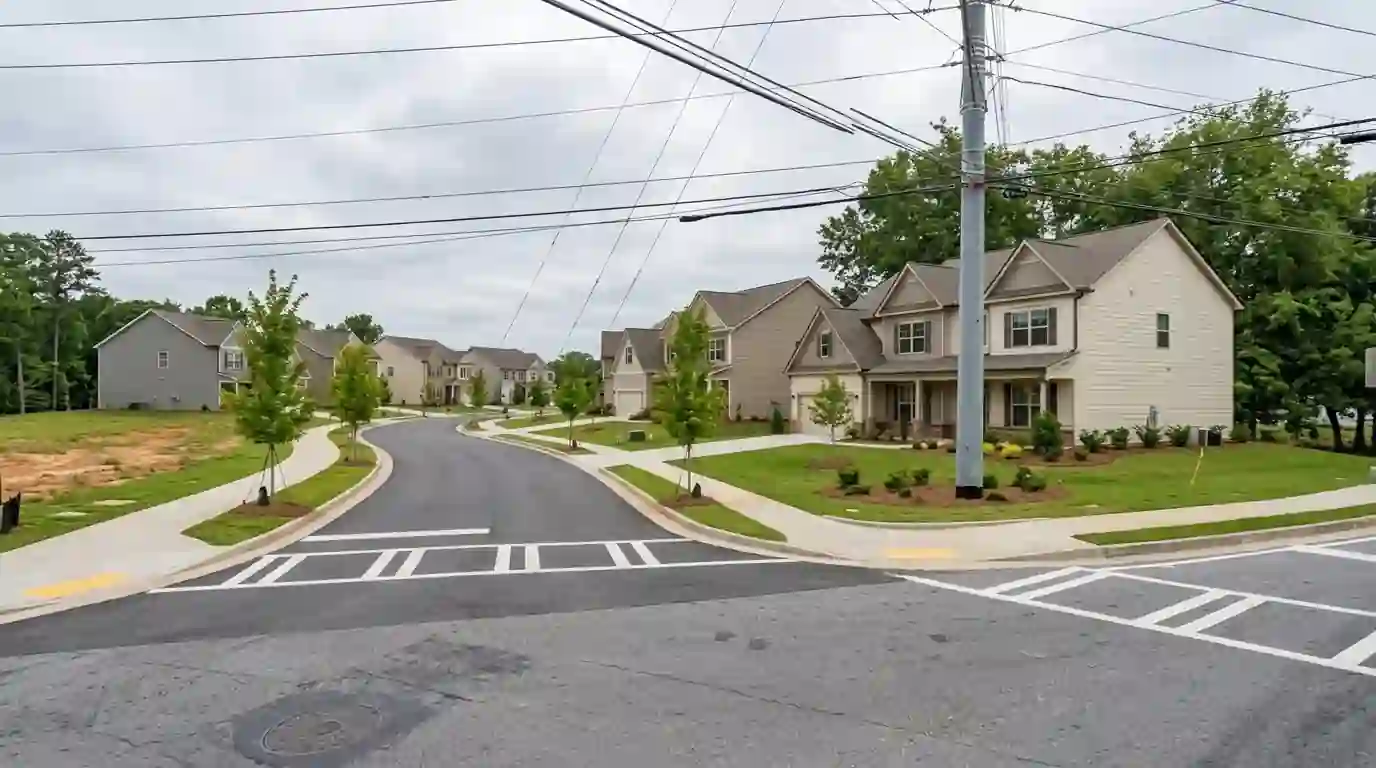
How architectural review usually runs in Georgia communities
For associations under the Act, O.C.G.A. 44-3-231 lets the association approve or withhold approval of any action that would change the exterior appearance of a lot or the structure on it, or hand that decision to an architectural control committee. The declaration can narrow that power. In practice the steps look like this:
- You get the architectural change application from the management company or the board.
- You attach colors, photos and a description of the work.
- The committee reviews it, often at a scheduled meeting, and may ask for more detail.
- You receive an approval, a conditional approval or a denial in writing.
Some declarations say an application is approved automatically if the committee does not answer within a set number of days. Look for that clause, and keep proof of the date you submitted.
Want a painter to look at your house?
Call (470) 876-1448What a complete color application includes
| Item | Why the committee wants it |
|---|---|
| Maker, color name and color code for each surface | Codes are exact; names repeat across brands |
| Where each color goes: body, trim, doors, shutters, accents | Approval often covers the whole scheme, not single colors |
| Sheen for each surface | Some guidelines limit shiny siding |
| Street photos of the house as it is now | Shows the starting point |
| Photos of the houses on each side | Some communities bar neighbors from sharing a scheme |
| Physical chips or painted boards | Colors on a screen are unreliable |
| Whether brick or stone will be painted | Often reviewed separately, and hard to undo |
A missing item is an easy reason for a committee to push a decision to its next meeting.
Approved palettes and rules on repeating a neighbor's colors
Many associations publish a pre-approved palette grouped into schemes of body, trim and door colors. Picking a full scheme from that list is usually the fastest route, sometimes with a staff sign-off instead of a committee vote. Mixing the body color from one scheme with trim from another can send the application back for full review.
Watch for spacing rules, too. Some guidelines bar the same body color on adjacent houses or on the house directly across the street. Townhome buildings are often painted as one unit, so a single owner cannot change a shared facade alone.
Lining up approval with a painting date
Submit before you commit to a start date, not after. Committees meet on their own calendar, a request for more information resets the clock, and painters' schedules fill while you wait. October is usually Atlanta's driest month, so if you want a fall repaint, send the application in late summer.
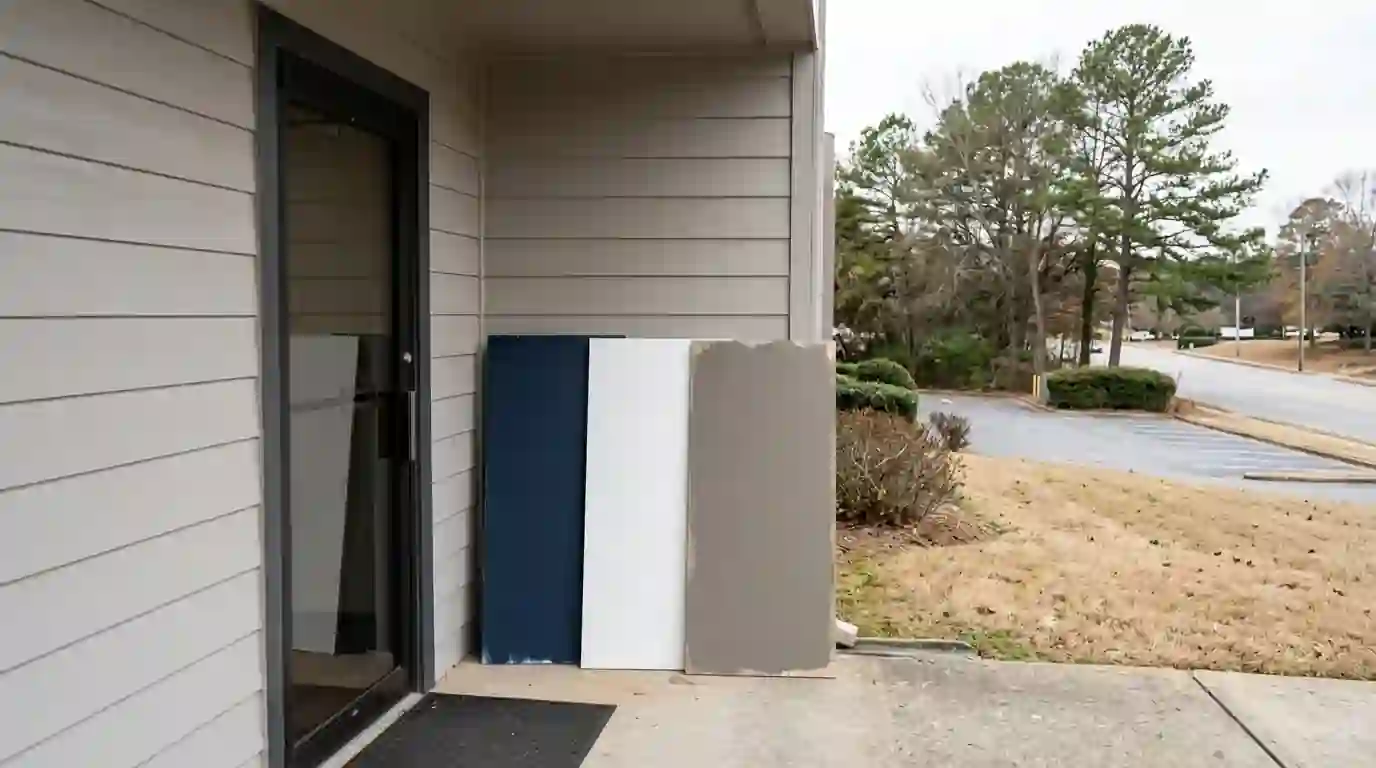
Paint large samples on the house itself, on a sunny wall and a shaded one, and photograph them in daylight for the application. A small chip tells a committee very little about how a color will look across a two-story wall. Our color consultation covers sample boards for exactly this step.
What happens if you paint before approval
For associations under the Act, O.C.G.A. 44-3-223 allows fines only if the declaration provides for them, and fines cannot affect your voting rights. As amended in 2024, the statute also lets the association go to court for an injunction without first trying other remedies, after the notice its documents require, or ten days' written notice if they are silent.
Georgia's general deadline to sue over a covenant breach is two years under O.C.G.A. 9-3-29, and the same statute says a continuous violation accrues each time the act or omission occurs. How those rules apply to one house and one color depends on the facts, so do not treat waiting as a plan. If you have already painted, submit an after-the-fact application with the actual color codes and photos, ask the board what it needs, and talk with a Georgia real estate attorney before any hearing. Repainting a whole house to satisfy a committee costs far more than the paperwork would have.
Townhomes and communities where the association paints
In many townhome and attached-home communities, the association maintains exteriors and repaints on its own cycle. Read the maintenance section of the declaration before you hire anyone: if exterior painting is the association's job, painting your unit yourself may break the rules even in an approved color. Where owners are responsible, the building's scheme is usually fixed, and the application is about reproducing it exactly. See HOA and townhome painting for how building-wide schedules work.